La estructura central de 7 capas de las compresas sanitarias
Sep 09, 2026
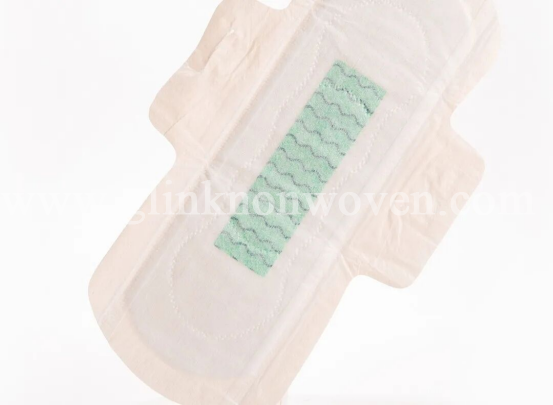
A pesar de su perfil aparentemente delgado, servilletas sanitarias presentan una sofisticada estructura multicapa estructura Diseñada para garantizar una experiencia de usuario óptima. Una compresa estándar consta de siete capas distintas, cada una con una función específica, que en conjunto ofrecen un equilibrio entre comodidad, protección contra fugas e higiene.La capa superior está en contacto directo con la piel y se presenta en dos tipos principales: tejido no tejido suave y película de PE perforada. Ambos mejoran significativamente la comodidad, siendo el tejido no tejido el más respetuoso con la piel.La capa de envoltura de las compresas sanitarias Constan de secciones superior e inferior —compuestas principalmente de papel portador y papel airlaid— que fijan los materiales poliméricos del núcleo absorbente y evitan su desplazamiento. Mientras que el papel tisú estándar tiende a desintegrarse o apelmazarse al mojarse, el papel airlaid ofrece mayor estabilidad, lo que lo convierte en un material preferido para compresas de alta calidad. La capa absorbente del núcleo utiliza materiales como polímeros superabsorbentes (SAP) y pulpa de celulosa para absorber rápidamente el flujo menstrual y retener el líquido; la elección de las materias primas influye significativamente en la velocidad de absorción y la resistencia al reflujo.El capa posterior de las compresas sanitarias Se trata de una película de PE impermeable —disponible en versiones transpirables y no transpirables— que actúa como barrera contra fugas, mientras que un adhesivo termofusible en el exterior fija la compresa a la ropa interior. Un papel protector protege el adhesivo de la capa inferior, evitando que se despegue y asegurando una fijación firme. La envoltura exterior está hecha de materiales como película de PE o tela no tejida, que protegen la compresa del polvo y las bacterias, mantienen la esterilidad y facilitan su transporte.Aunque pequeña, la compresa sanitaria cuenta con una estructura compleja que ofrece desde comodidad para la piel y retención de líquidos a prueba de fugas hasta protección contra el polvo y las bacterias. En comparación con los productos menstruales tradicionales, ha mejorado enormemente la calidad de vida de las mujeres durante la menstruación, lo que representa un invento muy significativo para el bienestar público.
LEER MÁS



 Español
 English
 Español
 عربي
عربي


 IPv6 RED SOPORTADA