La diferencia entre la tela no tejida de aire y la tela spunbond no tejida
Dec 30, 2024
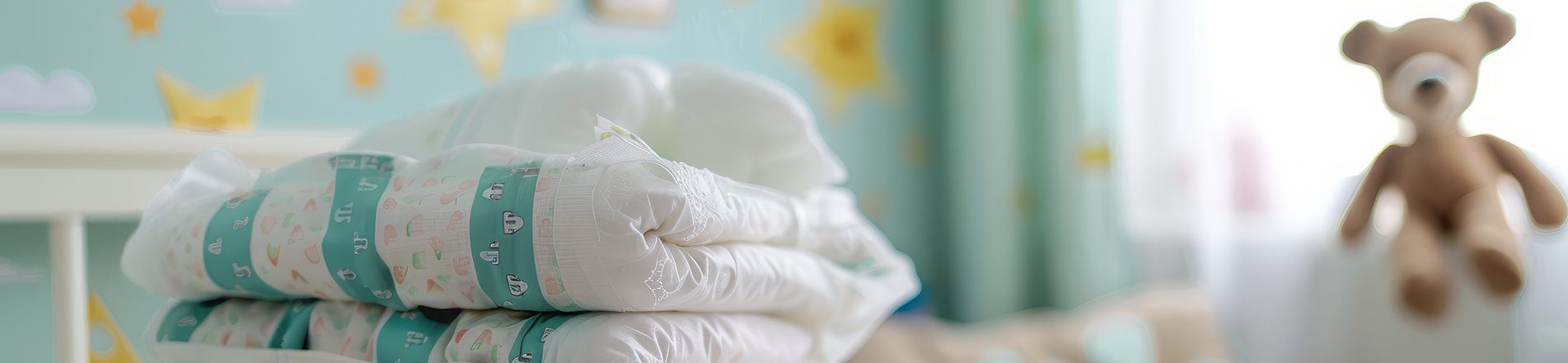
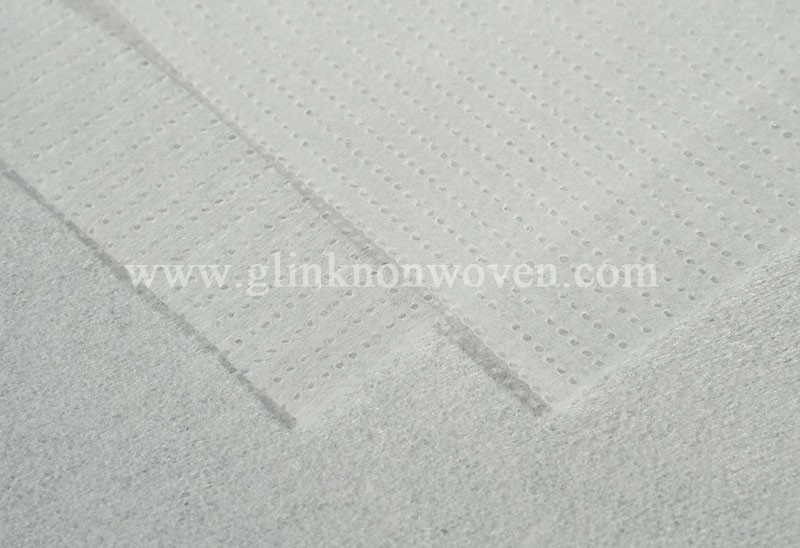
1. Tela no tejida permeable al aire es una tela no tejida producida mediante el uso de aire caliente de un dispositivo de secado para penetrar la red de fibras después de peinar las fibras cortas, lo que permite calentarlas y unirlas. La tela no tejida Spunbond es un proceso de extrusión y estiramiento de polímeros para formar filamentos continuos, que luego se colocan en una red. Luego, la red se autoadhiere, se une térmicamente, se une químicamente o se refuerza mecánicamente para transformarla en una tela no tejida. La tela no tejida Spunbond está hecha de fibras largas, pero su materia prima son rodajas de plástico.2. Hoja superior no tejida de aire caliente tiene las características de alta esponjosidad, buena elasticidad, tacto suave, fuerte retención de calor y buena transpirabilidad y permeabilidad. La tela no tejida Spunbond se fabrica hilando directamente partículas de polímero en una malla sin usar fibras, y luego calentándolas y prensándolas con un laminador. Tiene excelentes propiedades mecánicas, como resistencia a la tracción, alargamiento de rotura, resistencia al desgarro, etc. Es muy fino, pero su suavidad y transpirabilidad no son tan buenas como las de los tejidos no tejidos de aire caliente.3. Pañales hechos de aire mediante unión no tejida se sentirá más suave y cómodo al tacto; Al tirar de la superficie del pañal, la tela no tejida con aire caliente puede sacar fácilmente los hilos. Los pañales hechos de tela no tejida spunbond son más difíciles de tocar y más ásperos en comparación con la tela no tejida de aire caliente. La tela no tejida Spunbond es difícil de extraer fibras.
LEER MÁS


 Español
 English
 Español
 عربي
عربي


 IPv6 RED SOPORTADA