

Actualmente, el mercado global de materiales para pañales se encuentra en una profunda transformación. Se prevé que el tamaño del mercado de esta industria supere los 30 mil millones de dólares estadounidenses para 2025, con la región Asia-Pacífico representando más del 65 % de la contribución al mercado. Si bien los materiales para pañales para bebés siguen siendo la corriente principal del mercado, el crecimiento de los materiales para el cuidado de la incontinencia en adultos es sólido, con una tasa de crecimiento anual consistentemente superior al 8 %. Con la profundización de los conceptos de protección ambiental, la demanda de materiales ecológicos ha aumentado significativamente, y la cuota de mercado de las fibras biodegradables ha aumentado rápidamente del 12 % en 2024 al 18 % en 2025. La tasa de crecimiento de los materiales ecológicos es del 18,3 %. Película de PLA, película biodegradable Mejora de la permeabilidad. Se espera que para 2026, su tasa de penetración en el mercado supere el 25 %. La innovación en materiales se ha convertido en un motor clave para el desarrollo sostenido de la industria, con un aumento del 15 % en la inversión en investigación y desarrollo de nuevos materiales, como núcleos absorbentes ultrafinos y sustratos vegetales, en comparación con el año anterior.
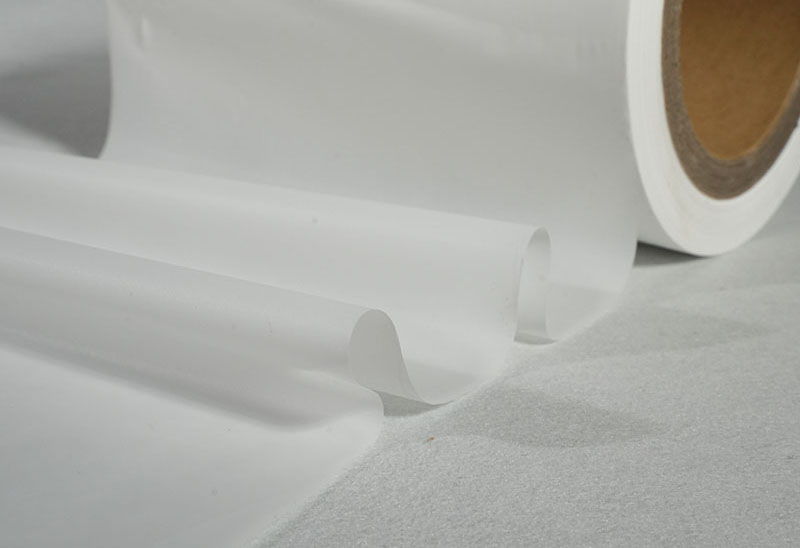
La demanda en los distintos mercados regionales muestra diferencias significativas: los mercados europeo y americano priorizan la sostenibilidad de los materiales y el control de la huella de carbono, mientras que el mercado de Asia Pacífico prioriza el equilibrio entre la rentabilidad y la funcionalidad del producto. Al mismo tiempo, están surgiendo gradualmente materiales inteligentes, y los nuevos materiales con detección de humedad y efectos antibacterianos representan el 8 % de la demanda. productos de pañales de alta gamaEl proceso de integración industrial se está acelerando, y la concentración de la cuota de mercado de los cinco principales proveedores mundiales de materiales ha alcanzado el 45 %. Las empresas chinas relacionadas mejoran continuamente su competitividad en el mercado mediante fusiones y adquisiciones.
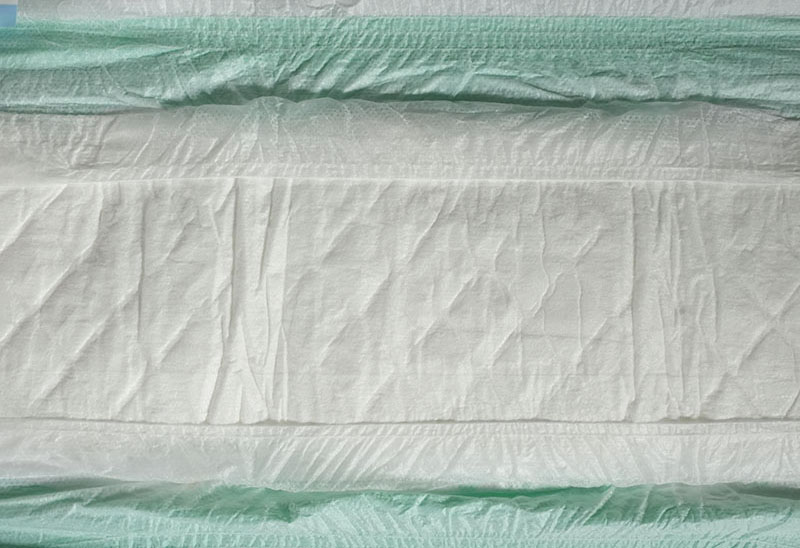
Los avances en tecnologías de vanguardia se centran principalmente en tres direcciones: preparación de nanofibras, polímero superabsorbente Materiales compuestos totalmente degradables y modificados. Para 2025, los nuevos materiales desarrollados en laboratorio tendrán una capacidad de absorción 1,5 veces superior a la de los materiales tradicionales, y el ciclo de degradación se acortará a 180 días. Además, la aplicación generalizada de la tecnología de fabricación inteligente ha reducido el consumo de energía en el proceso de producción de materiales en un 20 % y la tasa de defectos del producto se ha controlado por debajo del 0,05 %, mejorando eficazmente la eficiencia de la producción industrial y la calidad del producto.
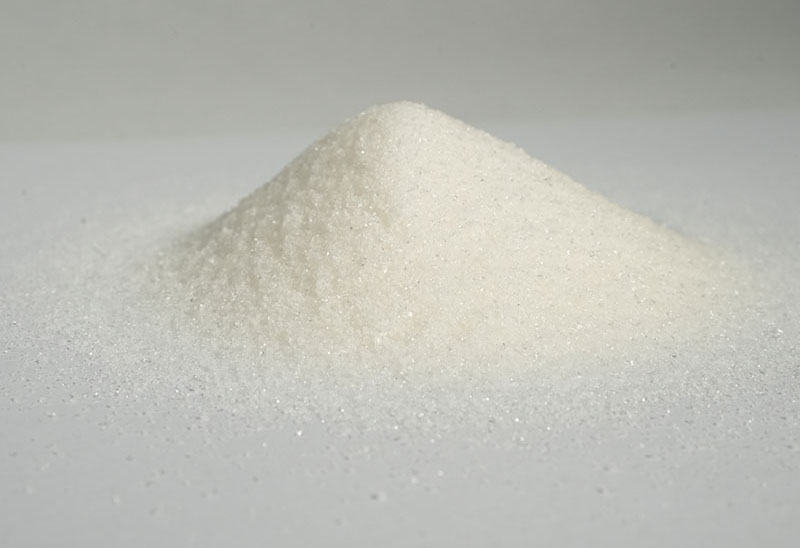 Si desea saber más, haga clic en www.glinknonwoven.com

Global Link es uno de los principales fabricantes de materias primas para productos de higiene desde 2008.
 Español
 English
 Español
 عربي
عربي


 IPv6 RED SOPORTADA